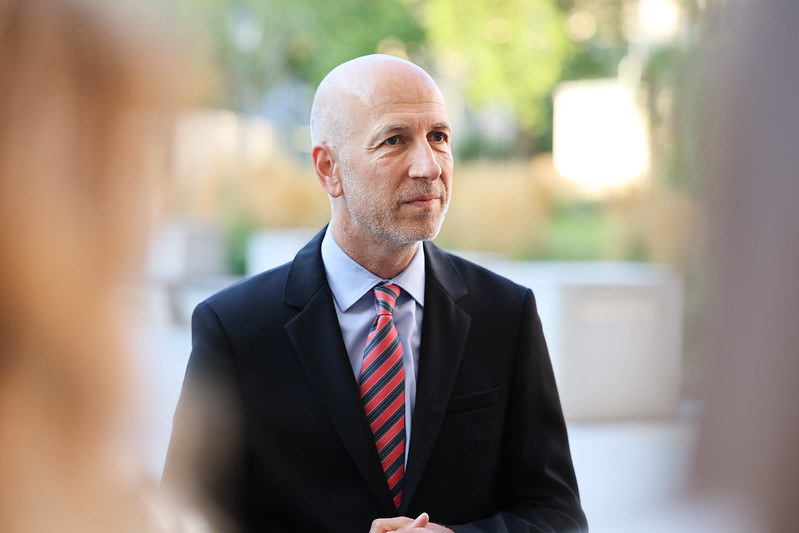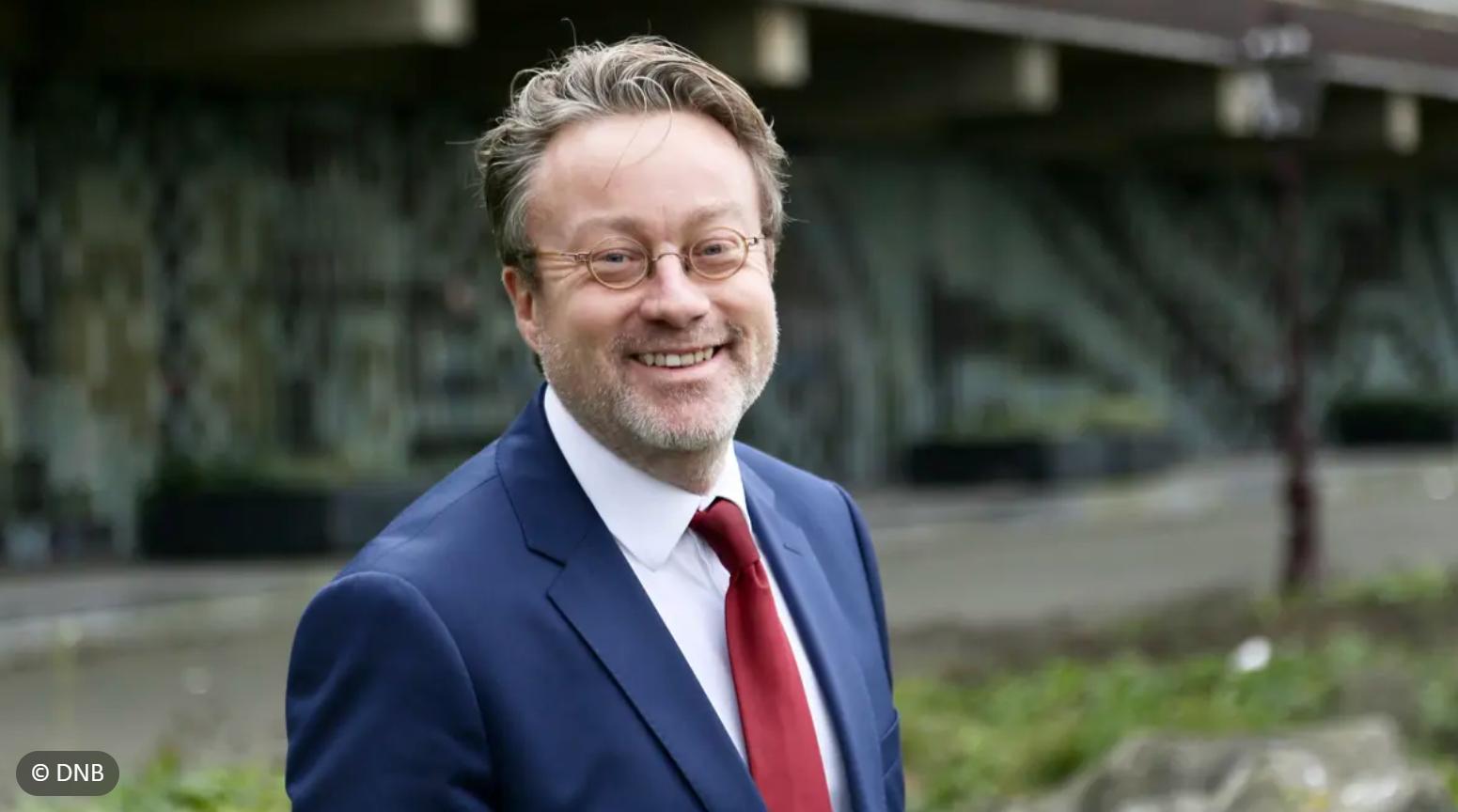
By Marta Vilar – GRONINGEN, the Netherlands (Econostream) – European Central Bank Governing Council member Olaf Sleijpen said on Tuesday that the recent escalation in the Middle East underscores how the global order is rapidly changing.
In a speech at the FSG Conference in Groningen, Sleijpen, who heads De Nederlandsche Bank, said that the world had “changed dramatically” and that the latest developments in the Middle East were an example of that.
He said that the post-war world order was disappearing and being replaced by “a more fragmented world in which major powers are pursuing their own interests.”
Trade tariffs had returned and access to critical infrastructure, services and raw materials was increasingly being weaponized, he said, warning that the result was a more fragmented global economy, greater uncertainty and a higher risk of shocks.
Sleijpen argued that Europe must respond by strengthening resilience, reducing excessive external dependencies, and boosting the growth potential of its economy.
Reducing dependence on foreign suppliers of critical infrastructure in services, energy and defense was one of Europe’s major challenges, he said, adding that it would have to build its own capacity in many areas.
However, he cautioned that this “does not mean we should turn inward” and that “[i]f the world fragments into a collection of economic fortresses, everyone loses.”
Regarding growth, Sleijpen said that Europe was “falling behind” when compared to the US and China.
“If we want to preserve our European way of life in a less friendly world, we must increase the growth potential of our economy,” he said.
Related articles:
- ECB’s Sleijpen: Risks to Growth and Inflation “Balanced” but “Big”
- ECB’s Sleijpen: Still in a Good Place, But Circumstances Can Change
- ECB’s Sleijpen: Projections and Incoming Data Provide No Case for Rate Move