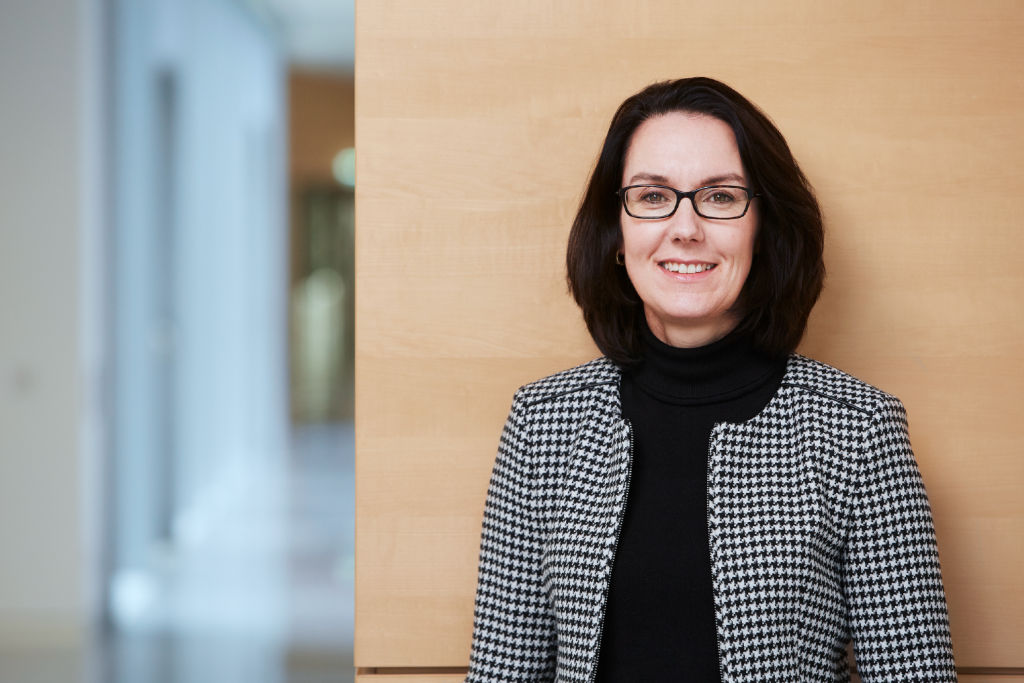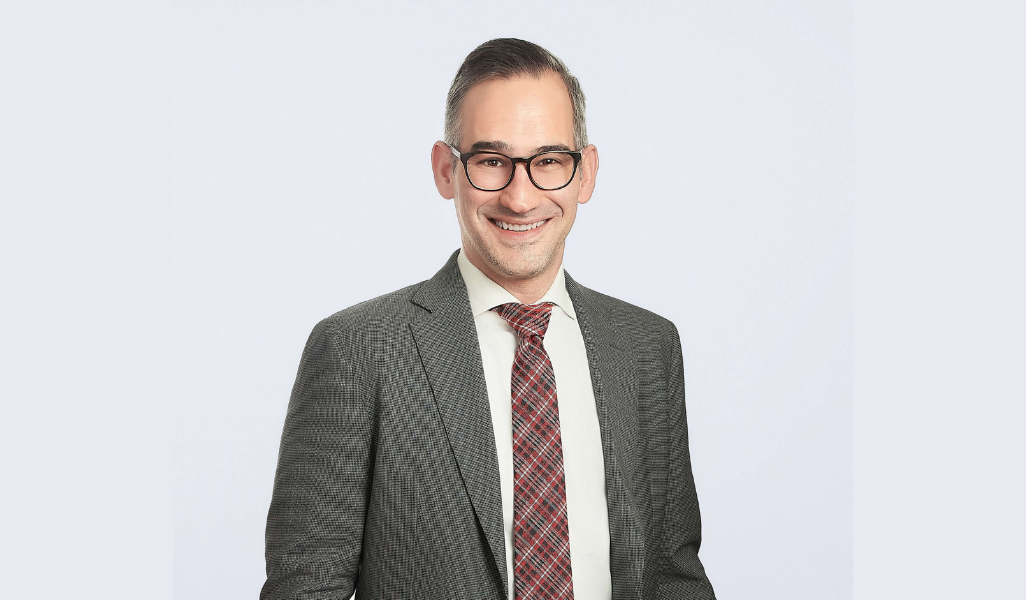
By Marta Vilar – MADRID (Econostream) – Following is the full transcript of the interview conducted by Econostream on 20 March 2026 with Petra Wehlert, Head of Capital Markets of KfW.
Q: Earlier this month you launched your second US dollar benchmark of the year—a three-year bond. What made this the right moment to come to the market? Did exchange rate moves linked to the Iran conflict play any role?
A: The conflict clearly impacts markets, and that in turn affects the scope of our action. We had already been monitoring the dollar market the week before, but steeply rising oil prices created significant volatility. In such conditions, price discovery becomes difficult, so we decided to wait.
We moved in the following week. In the morning, it was still hard to determine fair value, but by the afternoon conditions had stabilized. At that point, we were comfortable with a fair value around SOFR [Secured Overnight Financing Rate] plus 27. Volatility affects both spreads and all-in pricing. Even if spreads are wider in dollars, the euro outcome can still be favorable due to basis swap movements.
We also felt it was important to proceed—KfW has a role in providing stability to the market. Investors were looking for short-duration, highly rated, liquid dollar assets, so the three-year format aligned well with demand.
In this environment, issuance windows are short. You cannot plan far ahead—you have to act when the window opens.
Q: Has recent volatility, particularly related to the Iran conflict, changed how you approach issuance windows?
A: Yes, we need to be more nimble. Identifying the right window has become more challenging. Traditionally, Tuesday or Wednesday were ideal, but now issuance can happen on any day if conditions are favorable. That is a clear shift.
Q: In past geopolitical crises, high-quality bonds benefited from safe-haven flows. This time, yields have also risen due to inflation concerns. Which force will dominate for KfW bonds?
A: That is the key question. If inflation persists, rates will rise. Investors—especially at the short end—are trying to determine the right entry point. We are seeing a flatter curve, with short-end rates rising and long-end rates declining. This creates uncertainty and can lead to a wait-and-see approach.
For us, it reinforces the importance of choosing issuance windows carefully—when both we and investors have sufficient clarity. Given the size of our funding program—€75–80 billion—we are indeed always in the market. There is a broader shift in expectations, with more participants anticipating rising rates, but the outlook is still not fully clear.
Q: Should markets expect you to return to the US dollar benchmark market later this year?
A: Yes. We have already raised around USD9 billion in dollars, and under normal conditions we target about USD20 billion annually. However, this depends on relative market conditions. If dollars become more attractive than euros, we may increase issuance there. Our flexibility across currencies is a key advantage. At present, the dollar still functions as a safe haven, and short-dated dollar assets remain highly liquid and attractive.
Q: The Swiss franc has strengthened recently. The SNB even suggested the possibility of an intervention. Could that open the door to a Swiss franc transaction this year?
A: We are always open to issuing in Swiss francs. It is a market we can access easily and swap back into euros. However, it is less deep than other markets. If it makes economic sense, we will issue. The Swiss franc remains a traditional safe haven, so demand is strong, but pricing is still slightly below euro levels.
Q: Do recent developments make a Swiss franc issuance more likely?
A: Marginally, yes. There is investor demand, but it remains a relatively small and less liquid market. For large investors, it is not a primary alternative to euros or dollars.
Q: Are there other currencies you are watching as potential funding markets?
A: British sterling remains a strong and liquid market for us. We also see demand in Hong Kong dollars, particularly from regional bank treasuries. The Australian dollar is also interesting, especially given recent rate increases. Ultimately, we assess all markets based on the all-in euro funding outcome.
Q: Given the current volatility, how opportunistic has your funding strategy become?
A: Our strategy remains consistent, with euro funding levels as the benchmark. However, there is an opportunistic element in selecting currencies and timing based on market conditions. This includes reacting quickly to issuance windows. In the current environment, planning too far ahead is difficult, so flexibility is essential.
Q: Could volatility influence the maturities you choose for upcoming deals?
A: Yes. We began the year with longer-duration issuance, which gives us flexibility now. In the current environment, shorter maturities are easier to place, as investors prefer them given inflation uncertainty. Our focus is therefore more on the short end, typically up to five years.
Q: Which part of the curve is attracting the strongest investor demand? Have you seen any shift since the Iran conflict began?
A: Demand is clearly strongest at the short end, particularly for short-dated dollar instruments. The three-year transaction reflected that.
Q: With €32.1 billion already raised—around 40% of your annual target—what should markets expect for the rest of the year?
A: Our funding target is €75–80 billion. Typically, we complete around 70% by mid-year, and we expect a similar pattern this year. We will review the total at mid-year depending on loan disbursements, but currently we see no major changes.
Q: Could you complete your 2026 funding program early this year?
A: There is no plan to do so. Last year we finished in October, which was unusually early. However, investors indicated there was limited supply toward year-end, so it generally makes sense to continue issuing until October to meet demand.
Q: KfW has surpassed €100 billion in green bond issuance. Should investors expect more green deals this year, possibly in other currencies?
A: Issuance depends on eligible disbursements, which are currently above expectations. We issued a €5 billion green bond in February, the largest we have done, and expect further issuance. We are likely to come early with another liquid euro green bond in the second quarter. We also issue in other currencies, particularly in Asia, but most of the volume will remain in euros.
Q: Could you issue a US dollar-denominated green benchmark?
A: It is possible, but not a priority. Given limited capacity, we prefer euros and Asian markets where demand is stronger.
Q: You are planning a third DLT [Digital Ledger Technology] bond this year. Can you share any details?
A: We have announced issuance in the first half of the year, and that will happen. However, I cannot provide further details at this stage.
Q: How would you assess investor demand for KfW bonds? Are you seeing more competition from other SSA issuers?
A: The SSA market is deep, with space for all issuers. On the supply side, competition can affect timing, but it is manageable. On the demand side, KfW benefits from its German government guarantee. However, investors are increasingly viewing Europe as a whole, not just Germany. This may create some additional competition, but it is a natural feature of a well-functioning European capital market.
Q: Are you satisfied with your investor base, or are there segments you would like to expand?
A: We have a broad and well-established investor base, including central banks, bank treasuries, asset managers, and sovereign wealth funds. There is always room for growth, but we do not target specific segments. Demand evolves naturally with market conditions.
Q: Last year you said increased German fiscal spending would have only a modest impact on KfW’s funding. Do you still hold that view?
A: Yes. Despite ongoing discussions around large infrastructure programs, we do not yet see a significant increase in funding needs. Our funding levels remain broadly unchanged, aside from some increase in green financing. We may have a clearer picture at mid-year, but for now there is no material impact.