
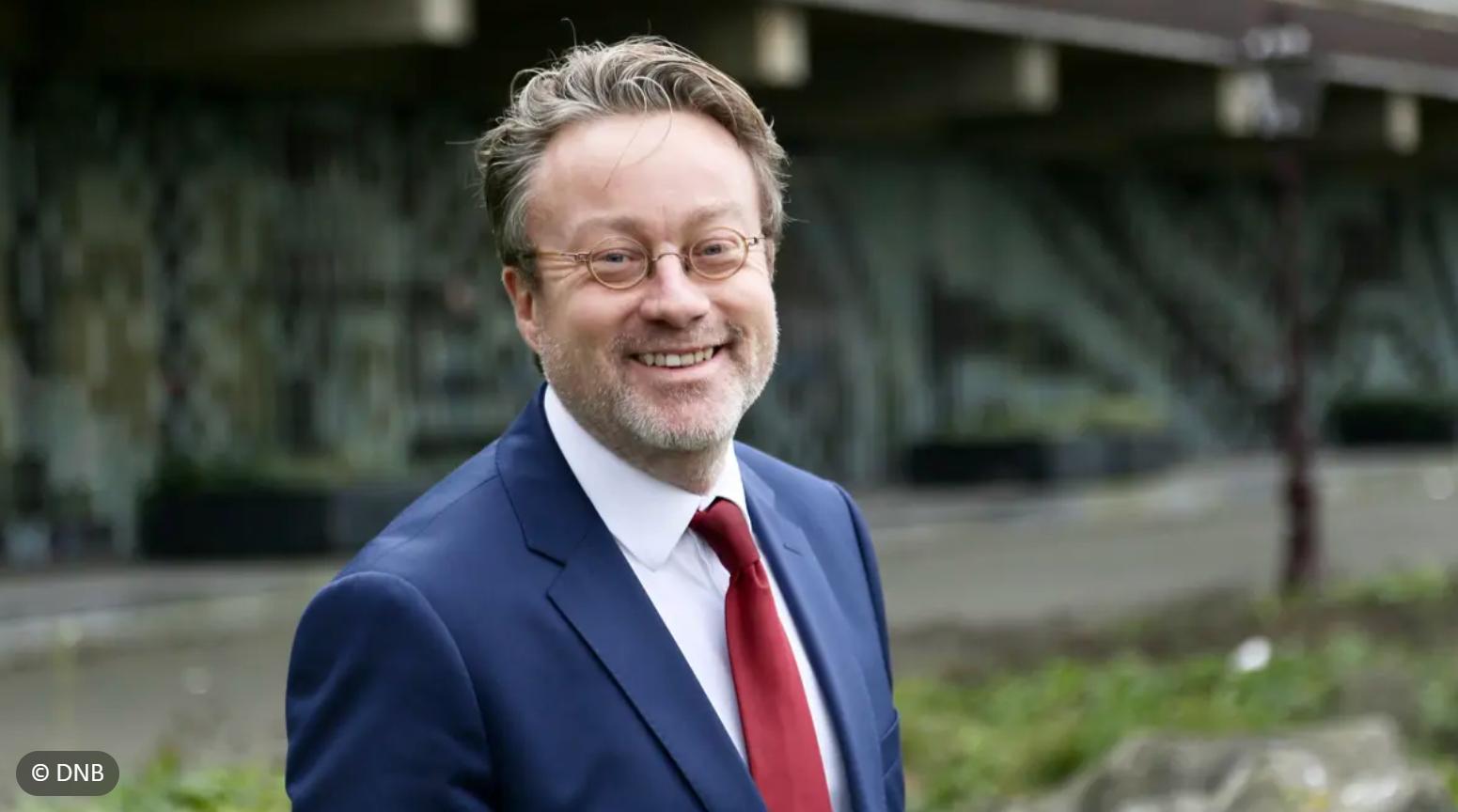
By Marta Vilar – MADRID (Econostream) – European Central Bank Governing Council member Olaf Sleijpen said on Thursday the euro area economy had proved considerably more resilient than expected, while warning that risks to the growth outlook remained tilted to the downside and financial stability risks were elevated.
“Economic growth has been actually quite resilient and maybe much more resilient than we had expected,” Sleijpen, who heads De Nederlandsche Bank, said on a Bruegel podcast.
Still, he said risks to the economic outlook were on the downside, pointing to a combination of factors that had also contributed to a sharp rise in long-term interest rates.
Sleijpen said the increase in longer-term yields likely reflected a combination of a higher term premium, inflation, expectations for central bank policy rates and the outlook for economic growth.
Doubts over the sustainability of public finances in some jurisdictions were also contributing to the rise in long-term borrowing costs, he said.
“All these factors together are most likely why interest rates have been going up strongly lately,” Sleijpen said.
Sleijpen said financial stability risks were elevated and sufficiently high to be a source of significant concern for central banks.
However, he stressed that the European banking sector was in considerably better shape than before the global financial crisis, following increases in bank capital and tighter regulation.
“We have seen a lot of shocks already [and] banks actually survived very well,” he said, adding that the financial sector had so far not been the source of the shocks that had hit the economy in recent years.
Sleijpen said central banks had also learned important lessons from the global financial crisis and the euro area sovereign debt crisis and now had a range of instruments available to deal with future episodes of financial stress.
“We more or less know what to do and we also know what we shouldn’t do,” he said.
But he stressed that central banks could not address all risks alone and that fiscal policymakers would also need to play their part.
Sleijpen also called for further European integration, including progress on banking union, the Savings and Investments Union and the single market, arguing that deeper integration would ultimately raise the EU’s growth potential.
- The author of this story can be contacted at marta.vilar@econostream-media.com