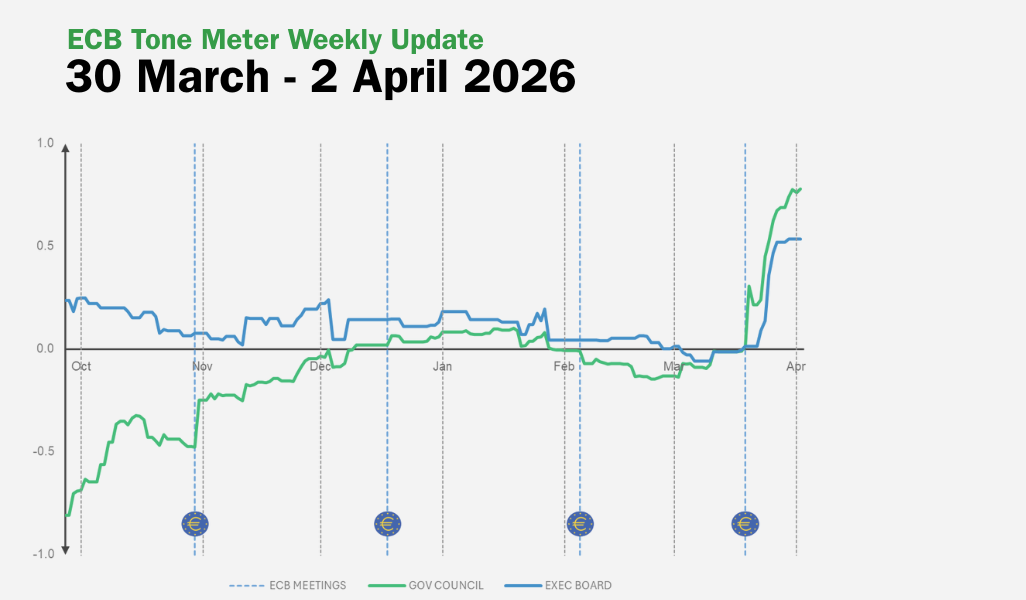
By Marta Vilar – MADRID (Econostream) – European Central Bank Governing Council member Olli Rehn said on Wednesday that policymakers must “keep a cool head” and avoid drawing premature conclusions about monetary policy based on financial market reactions to the conflict in the Middle East.
In a column published on the website of the Bank of Finland, which he heads, Rehn said the ECB was “closely monitoring” the potential impact of developments in Iran on the economic outlook.
“Rising energy prices are always bad news for inflation and growth prospects, as the immediate reactions of financial markets to the conflict have shown,” he said. “However, it is important to keep a cool head when assessing the economic impact and not jump to conclusions about monetary policy based solely on immediate market movements.”
Instead, Rehn said the ECB should “maintain a broader perspective” when evaluating the potential economic consequences. If geopolitical tensions persist, they could affect not only oil prices but also global uncertainty and international trade, he said.
The current situation was “somewhat different” from the inflationary shock triggered by the COVID-19 pandemic and Russia’s invasion of Ukraine, he said, noting that growth was now slower while trade and security tensions had intensified.
“The key to the economic impact is how long the war in Iran lasts and how widely the conflict in the Middle East spreads,” he said. “This will determine how widely it will affect global supply chains and, on the other hand, uncertainty and overall demand.”
Rehn said the conflict could create both supply and demand shocks. Short disruptions might be “tolerable,” he said, but a prolonged blockage of the Strait of Hormuz would have a greater impact on the global economy than the brief conflict seen last year.
The ECB must be prepared for both scenarios, he added.
He also cautioned against excessive optimism about OPEC’s ability to increase crude oil production, saying it might not be sufficient to stabilize energy prices. Similarly, US oil exports and reserves would not solve global supply challenges on their own, he said.
“Even if energy prices remain high for a longer period, such shocks will not only increase oil prices, but also increase uncertainty and complicate international trade broadly – they are both supply and demand shocks,” he said. “The net impact of these factors on inflation is an empirical question.”
Rehn said these risks must be assessed alongside existing factors already shaping the outlook. Some of these—such as moderate wage growth and cheaper Chinese imports—could push inflation below projections, he added.
He added that the euro area’s resilience to the crisis would be supported by fundamentals “in very good shape”: employment was high, household purchasing power had strengthened, and increased defense spending was supporting economic activity.
Nevertheless, he said euro area growth was likely to remain slightly above 1% in the coming years, describing the pace as “persistent but sluggish.”
“Euro area inflation and medium-term inflation expectations remain close to the ECB's 2% target,” he said, noting this was why the ECB kept its rates unchanged in February.
The central bank would continue to follow its meeting-by-meeting, data-dependent approach, based on incoming information and its “overall assessment,” he said.
Decisions by the ECB would not be taken in advance and the ECB’s monetary policy strategy would not “lead to sudden moves”, he said, adding that its aim was to keep inflation stable at around 2% in the medium term.