
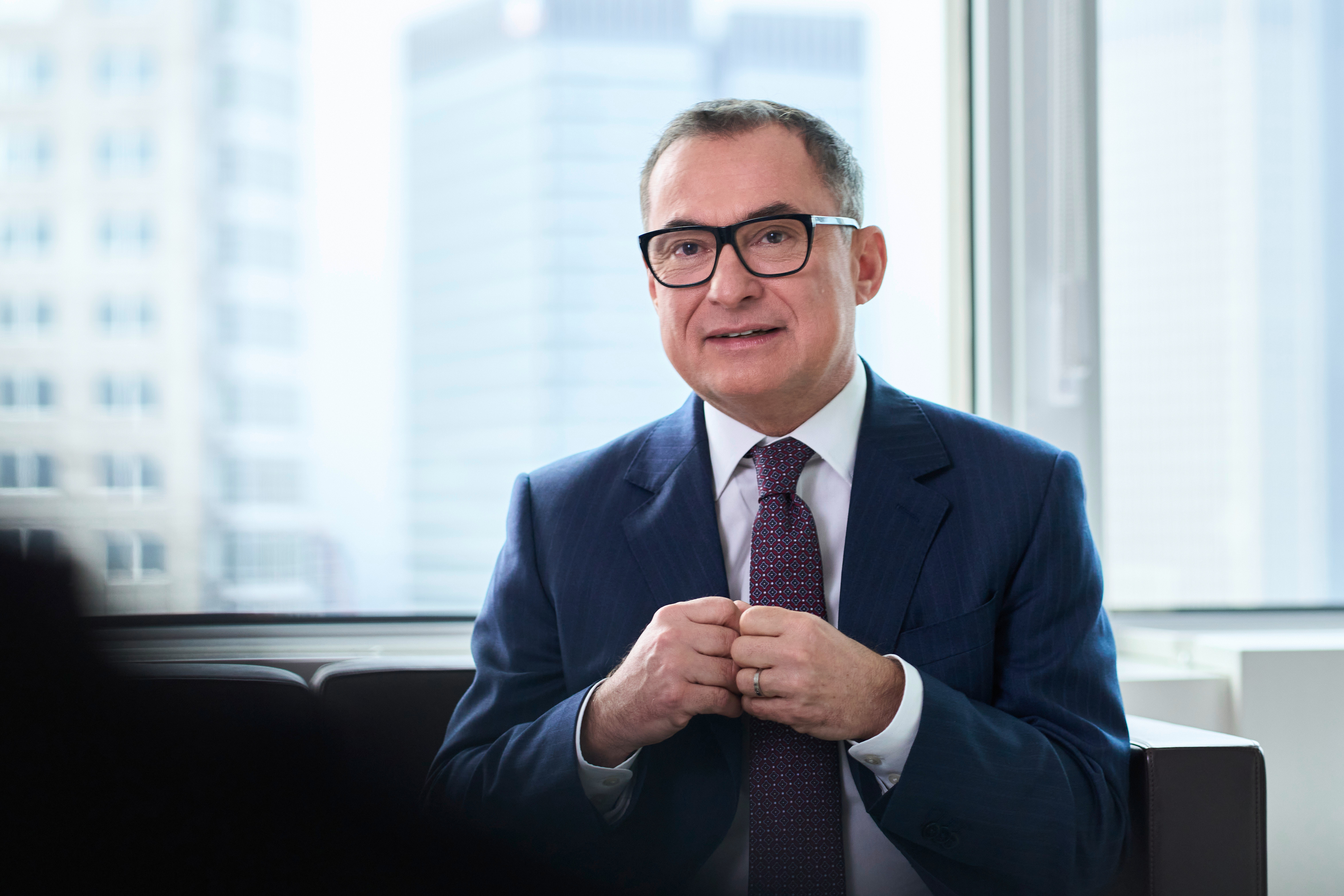
By Marta Vilar – SORRENTO, Italy (Econostream) – European Central Bank Governing Council member Joachim Nagel said on Monday that there are currently no clear indications that higher inflation is feeding through into euro area price and wage-setting, suggesting the ECB can remain patient for now despite upside risks to the inflation outlook.
“There are so far no clear signs that inflation has fed through to price and wage setting,” Nagel, who heads the Deutsche Bundesbank, said in a speech at the Global Precious Metals Conference in Sorrento, Italy, adding that longer-term market-based and expert inflation expectations remain consistent with the ECB’s 2% target.
Nagel nevertheless warned that monetary policy would need to respond if the current energy shock became persistent and began to broaden through the economy.
“The situation changes when the shock becomes persistent,” he said, adding that firms could increasingly pass higher input costs on to consumers, while workers could seek higher wages to compensate for lost purchasing power.
“The longer the energy price shock persists, the more deeply it becomes embedded in firms’ pricing decisions and wage negotiations,” he said. “Monetary policy must then act to prevent the shock from becoming self-sustaining.”
Nagel said upward risks continued to dominate the euro area inflation outlook, pointing in particular to vulnerable gas prices as Europe heads into the winter with low storage levels, as well as higher refined petroleum product prices and risks to food inflation.
The ECB had responded “cautiously, but firmly,” Nagel said, after raising its key interest rates by 25bp in both June and September, taking the deposit rate to 2.5%.
“This high uncertainty surrounding the inflation outlook calls for flexibility, not inaction,” Nagel said, reiterating that the Governing Council would continue to take decisions on a data-dependent, meeting-by-meeting basis.
The future inflation path would depend heavily on geopolitical developments, Nagel said, noting that a sustained reopening of the Strait of Hormuz, normalization of energy flows and restoration of refining capacity would reduce inflationary pressure, while renewed escalation could push energy prices higher and cause further disruptions.
He said the euro area economy had proved more resilient than expected, with exports and private consumption stronger than anticipated and industrial activity continuing to recover.
Domestic demand should increasingly become the main engine of growth, he said, supported by recovering real household incomes, a resilient labor market and investment in digitalization, the green transition, energy security, defence and artificial intelligence.
“Overall, the outlook for economic growth in the euro area remains cautiously optimistic,” Nagel said.
For Germany, Nagel said the economy had entered a gradual recovery, with robust foreign orders and improving industrial sentiment signaling broader momentum. Public infrastructure and defense spending should provide additional support, and Germany could see real economic growth of around 1% on average over the year.
Still, Nagel said the outlook for both Germany and the wider euro area remained uncertain and closely linked to geopolitical developments, particularly through trade, energy prices and confidence.
- The author of this story can be contacted at marta.vilar@econostream-media.com