
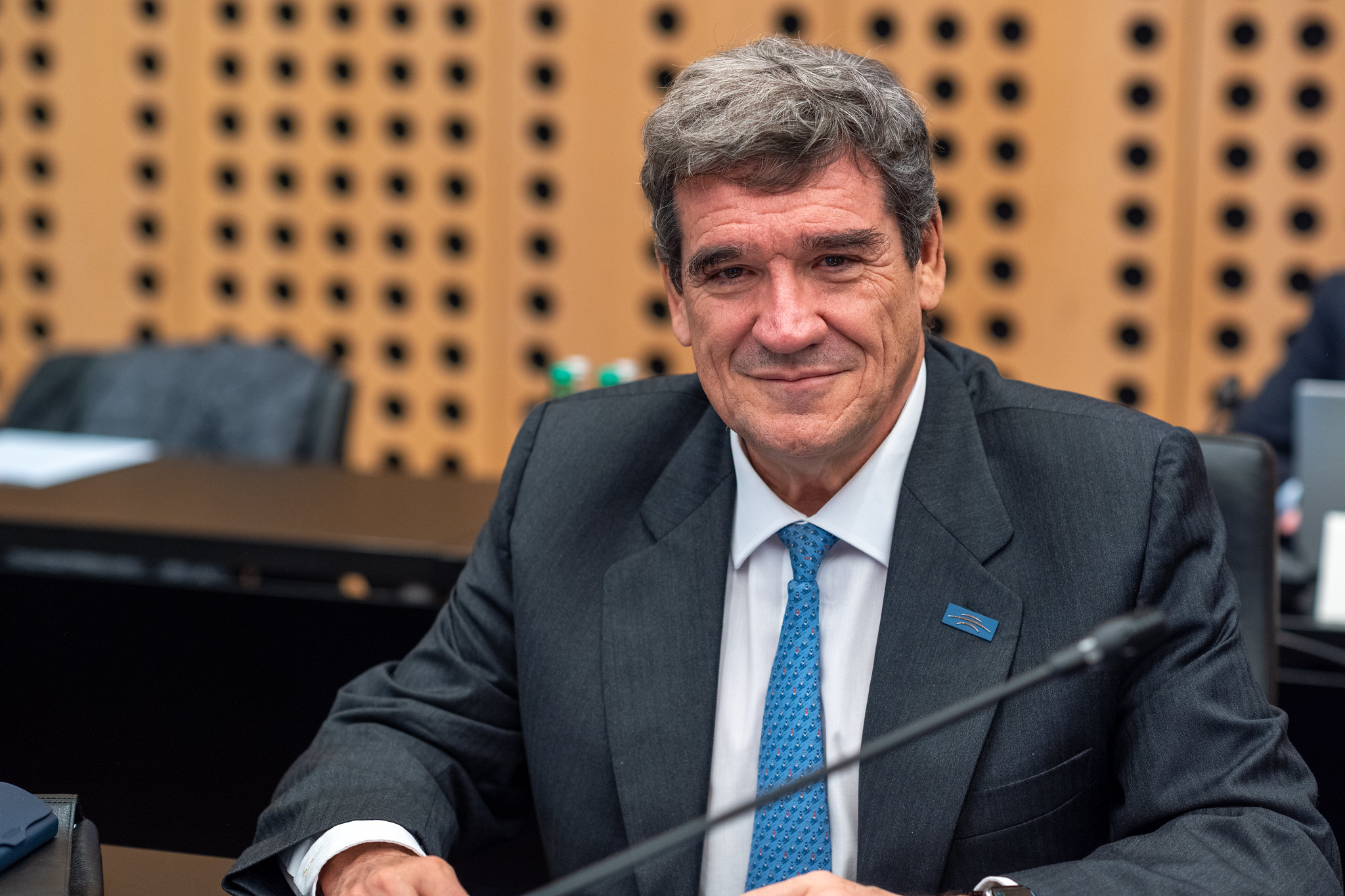
By David Barwick – FRANKFURT (Econostream) – European Central Bank Governing Council member José Luis Escrivá said on Monday that the longer the current energy shock persisted, the greater the danger that price pressures would spread more broadly through the economy and eventually affect wages.
Speaking in Barcelona, Escrivá, who heads the Banco de España, described the situation as “worrying,” saying the increase in oil, gas and other energy costs had turned out to be substantially larger and more persistent than initially anticipated.
He said sustained high energy costs increased the likelihood that companies would pass them through into the prices of other goods and services, while also raising the risk of second-round wage effects as workers sought to protect their purchasing power.
Escrivá said the unusually uncertain environment made it inappropriate for policymakers to provide concrete indications about decisions at forthcoming meetings.
Turning to public finances, Escrivá said concerns about rising government debt were not confined to France, pointing also to the United States, Japan and several European countries.
Markets could eventually begin questioning whether those debt trajectories were sustainable over the medium term, Escrivá said, potentially complicating both macroeconomic conditions and the conduct of monetary policy.